
Published: 12 May 2026 | Category: Travel Data
1. Why You Must Buy Your Vietnam Travel SIM Before You Fly
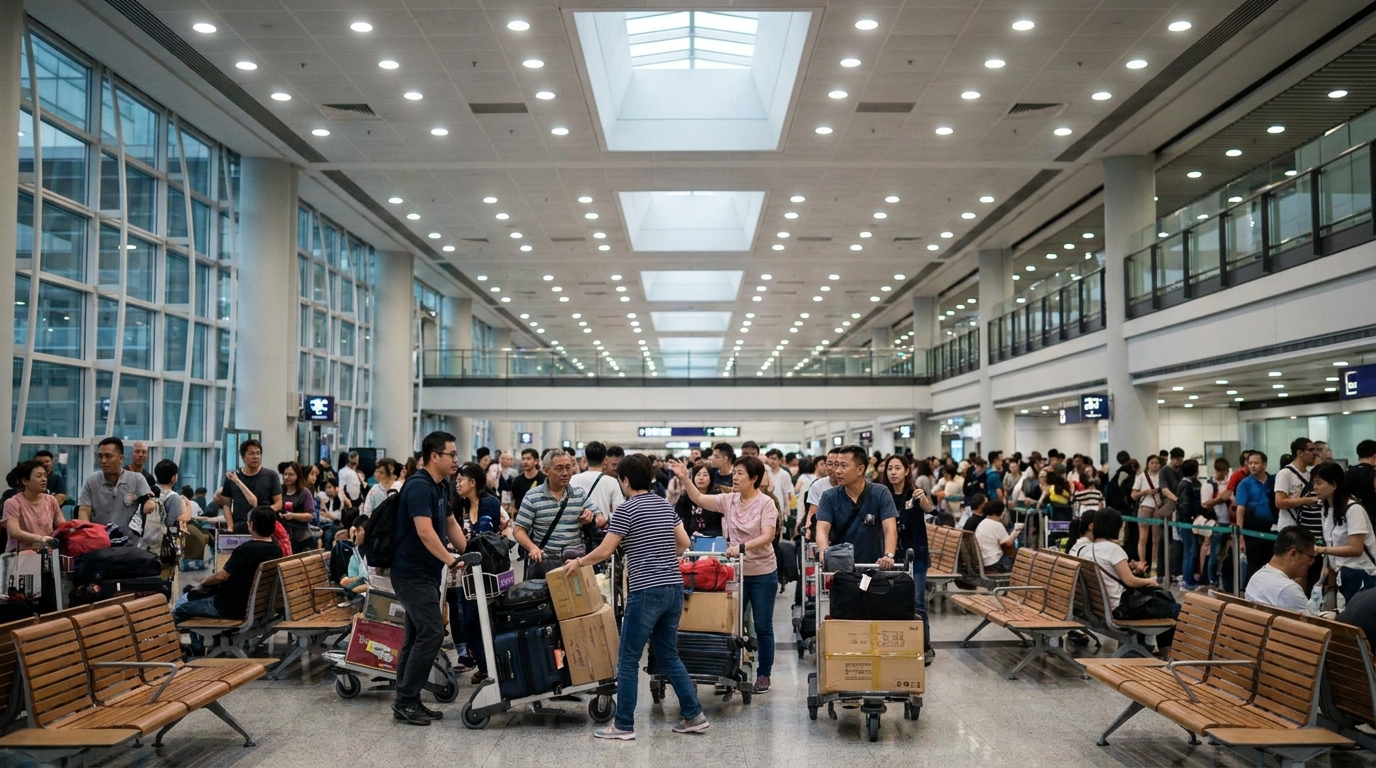
The worst thing about travelling is being completely disconnected the moment you land, especially in a vibrant country like Vietnam. Whether you're flying into Hanoi's Noi Bai International Airport, Ho Chi Minh City's Tan Son Nhat International Airport, or the popular resort destination of Da Nang, tourist arrivals in 2026 are still massive. Many Hongkongers are used to sorting things out at the destination airport, but buying a SIM card on the spot in Vietnam often comes with a lot of hassle. First, the SIM card kiosks at the airport always have massive queues—lining up after a few hours on a plane is pure torture. Second, airport SIM prices fluctuate wildly and are usually way more expensive than buying them in the city or back in Hong Kong. Most importantly, if there's a language barrier, it's incredibly easy to buy the wrong data plan, leading to frustrating arguments.
To avoid all this unnecessary hassle, we highly recommend sorting out your data needs before leaving Hong Kong. Pre-purchasing your travel SIM gives you a few absolute advantages:
- Instant connection upon landing: The moment the plane touches down, you can turn on your phone to message your family while walking to immigration, or immediately call a ride via Grab, saving you tons of waiting time.
- Transparent and better value pricing: Buying a physical SIM or eSIM in Hong Kong means transparent pricing. You can get a plan for just a few dozen dollars, without worrying about being ripped off as a tourist.
- No language barriers: You don't have to play charades with local staff to explain how many GBs you need. Reading the terms clearly online before buying gives you much more peace of mind.
- Keep your original number active: If you opt for an eSIM or a dual-SIM phone, you can keep your main Hong Kong SIM active to receive important bank SMS OTPs or work WhatsApp messages, perfectly balancing business and leisure.
2. Decoding Vietnam's Big Three Telecom Networks: Viettel, Vinaphone, and Mobifone
Before buying a card, we first need to understand the local telecom landscape in Vietnam. Just like Hong Kong has HKT, CMHK, SmarTone, 3HK, and CSL, Vietnam has its own industry giants. Choosing the right telecom operator directly dictates whether your internet experience in Vietnam will be buttery smooth or so slow you'll want to smash your phone. The Vietnamese market is currently dominated by three major operators: Viettel, Vinaphone, and Mobifone. They each have different strengths and coverage areas, so you can match them to your specific itinerary.
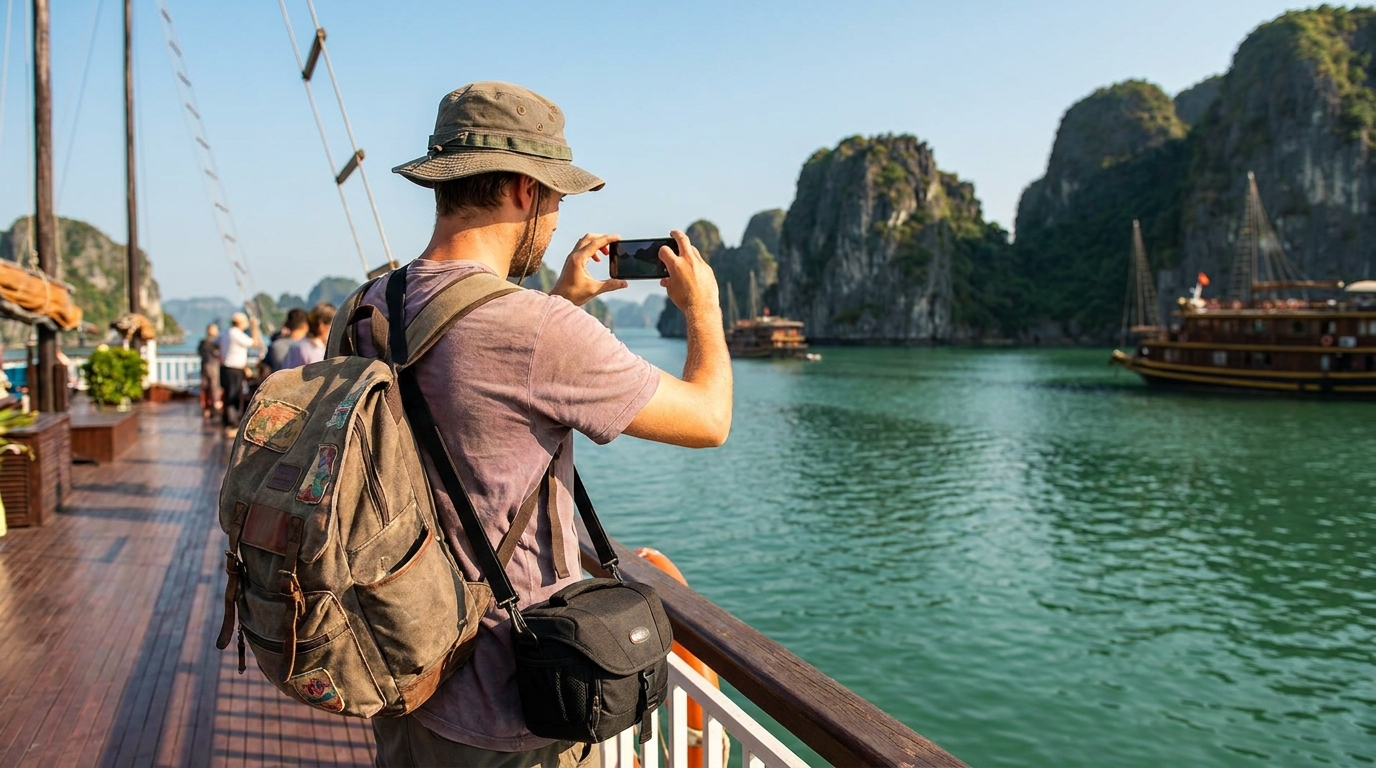
- Viettel (The Coverage King): This telecom operator is run by the Vietnamese military and holds the number one market share. Its biggest selling point is its massive coverage. Even if you head to remote mountainous areas like Sapa, the middle of the sea in Ha Long Bay, or Phu Quoc Island, Viettel's signal remains the most stable. If your itinerary takes you out of the big cities for outdoor adventures, a Viettel network SIM is your safest bet.
- Vinaphone (The Urban Powerhouse): Ranking second in market share, its network quality and speed in major cities (Hanoi, Ho Chi Minh City, Da Nang) are outstanding, sometimes even outpacing Viettel. If your Vietnam trip is mainly about shopping, cafe-hopping, doing spas, or doing business in the city, Vinaphone will easily satisfy your need for high-speed mobile data.
- Mobifone (The Value Pick): The third-place Mobifone has better reception in the south (like around Ho Chi Minh City) and works fine within major cities. Its advantage is that its data plans are usually cheaper, offering great value for money. However, if you venture into remote areas, the signal might drop quite fast, leaving you with no network coverage.
💡 Tip: If you're a business traveller heading to Ho Chi Minh City for meetings, Vinaphone's network speed will keep you the happiest. If you're a backpacker trekking in Sapa, Viettel is your only reliable choice!
3. Physical Travel SIM vs Roaming eSIM: Which to Choose in 2026?
With technological advancements, getting online while travelling in 2026 is no longer limited to traditional physical SIM cards. eSIMs (embedded SIMs) have become the top choice for many Hongkongers. However, both formats have their pros and cons. Which one suits you best? Let's break it down. The biggest advantage of a physical SIM card is its universal compatibility. Whether you're using the latest flagship phone, an older model from a few years ago, or even a rented Wi-Fi egg, you just pop the card in, set up the APN, and you're online. Plus, some physical cards come with a local phone number, which is super handy for registering local ride-hailing apps or booking restaurants.
On the flip side, eSIM is all about a seamless experience. You completely skip the need for that easily lost SIM ejector pin, and you don't have to worry about dropping your main Hong Kong SIM down the drain. Once you buy it online, you just scan a QR code, and the data plan is written into your phone's chip within minutes. When you arrive, simply turn on your phone, switch to the eSIM, and you're instantly connected—it's super convenient. Also, for those using single-SIM slot phones, an eSIM allows you to keep your Hong Kong number active for calls while using Vietnam data for the internet. Just note that not all phones support eSIMs. In particular, mainland China versions of smartphones usually have the eSIM function stripped out, so be sure to double-check before buying.

4. 2026 Popular Vietnam Data Plans Showdown
To give you a clearer picture of the different options on the market, we've compiled three common data solutions: Hong Kong telecom roaming daily passes (like 3HK or CMHK travel data packs), physical travel SIMs from Apliu Street or online shops, and popular online eSIM plans. This table uses a 5-day itinerary as a benchmark to help you weigh up the best value. Keep in mind that actual prices will fluctuate with promotional offers, so the figures below are for reference only, but they're enough to show the general gap in value for money.
| Item | HK Telecom Roaming (5 Days) | Online Physical Travel SIM | Popular Online eSIM |
|---|---|---|---|
| Approx. Cost | $78 - $128 | $35 - $60 | $40 - $70 |
| Data Allowance | Speed capped after 500MB/day / 3GB total | 1GB-2GB high-speed/day, then capped | Customisable: 1GB/day to unlimited data |
| Convenience | Extremely High (No SIM swap, buy & use in-app) | Average (Wait for mail or self-pickup, requires SIM swap) | Extremely High (Buy & scan QR code instantly) |
| Network Used | Depends on roaming agreement (Usually Viettel or Vinaphone) | Fixed single network (Check carefully before buying) | Most can auto-switch to the best network |
🔥 Recommended Solution
If you're after value for money and convenience, an online eSIM (2GB high-speed daily plan) is absolutely the best choice for 2026. Around $50 covers a 5-day trip, and it saves you the hassle of physical delivery. For the elderly or friends who aren't tech-savvy enough for eSIMs, buying a physical SIM running on the Viettel network is the most foolproof and reliable option.
5. Vietnam Data Trap-Avoidance Tips and Things to Note
While buying a SIM card is simple, there are quite a few hidden devilish details that could easily ruin your trip's budget. Many travel SIMs that advertise "unlimited data" actually have an FUP (Fair Usage Policy) hidden behind them. This means that once you blow through a specific high-speed data allowance for the day (like 1GB or 2GB), your internet speed gets throttled immediately, dropping to 128kbps or even lower. At this speed, you'll struggle to even load Google Maps, let alone post an IG Story. So when buying a card, never just look at the word "Unlimited"—you must scrutinise the fine print to see exactly how much high-speed data you get per day.
- Hotspot sharing restrictions: Some budget data cards lock the Hotspot (tethering) function, meaning you can't share your data with your travel buddies or your own iPad. If you need to share data, you must buy a plan that explicitly supports tethering.
- Beware of expired cards: If you're buying a physical card in Sham Shui Po, remember to check the Expiry Date on the packaging. Some discounted cards might only have a month or two of life left. If you buy it too early, it might be completely dead by the time you reach Vietnam.
- Mind the APN settings: 90% of data cards will connect automatically once you pop them in and restart your phone. But if you can't get a signal, it's often because the APN (Access Point Name) isn't set correctly. We highly recommend keeping the packaging instructions, as they'll definitely teach you how to enter the APN manually.
- Watch out for street hawkers: In Ho Chi Minh City's Pham Ngu Lao Street or Hanoi's Old Quarter, you might encounter hawkers peddling dirt-cheap SIM cards. These are mostly used second-hand cards or black market cards that could get disconnected after a few days. Being cheap will cost you more in the long run.
⚠️ Warning: If you plan to rent a motorbike for a road trip in Vietnam, we strongly advise buying a plan with plenty of high-speed data. Rural navigation eats up a lot of data, and if you get lost and throttled at the same time, you'll be completely stranded!
6. Summary: Get Sorted Before You Fly
Travelling to Vietnam, whether you're enjoying authentic Pho in Hanoi, soaking in the French vibes of Ho Chi Minh City, or chilling on the beaches of Da Nang, smooth mobile data is an absolute must-have. Based on the analysis above, if you're heading to Vietnam in 2026, we highly recommend pre-purchasing an eSIM or physical SIM card, ideally on the Viettel or Vinaphone network, to ensure the most stable internet experience. As long as you avoid overpriced airport cards and read the FUP terms clearly, you can easily check-in on socials, navigate, and discover hidden culinary gems.
If you're a corporate user arranging business trips for colleagues, or a family looking for the best value telecom solutions, it's not just travel data you should be looking at—local home broadband and 5G mobile plans are also worth comparing regularly. Getting all your internet gear sorted before you fly gives you total peace of mind! Want to know the latest telecom trends and the best deals? Keep an eye on our expert analysis to help you save to the max and travel smart!