
Published: 13 April 2026 | Category: Business Solutions
1. The Absolute Advantage of Local Data Centers: Why Hosting Servers in Hong Kong is King?
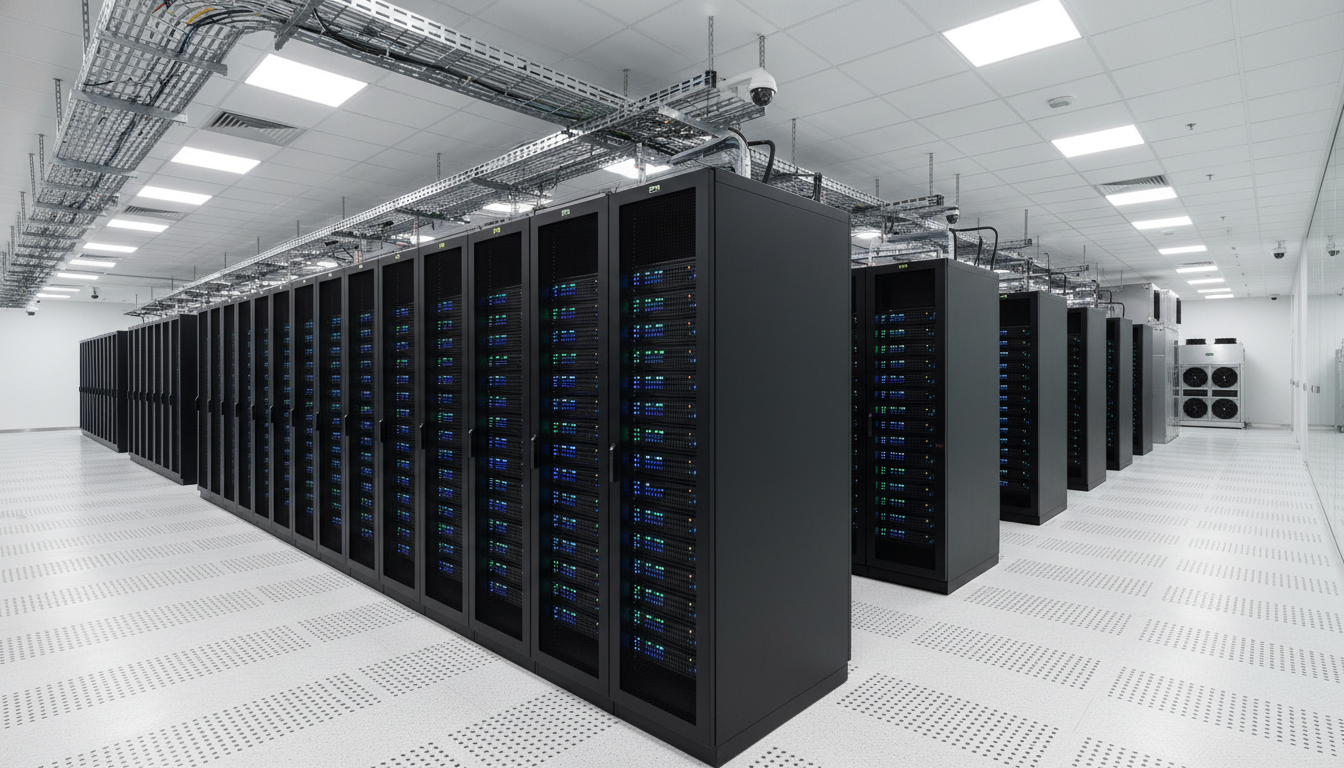
As we enter 2026, Hong Kong's business environment remains ever-changing, but one thing stays constant: the pursuit of data transmission speed (Latency). If your business primarily serves the local market—such as online shops, FinTech, or real estate agencies—hosting your servers in a local Hong Kong data center is undoubtedly the top choice. Why? In one word: Speed. With local colocation, data is transmitted via HKT or HKBN fiber networks, where latency is typically maintained within 1-5ms. This "instant-load" experience is something overseas cloud services struggle to match.
Beyond speed, compliance is a major consideration. Hong Kong has strict Personal Data (Privacy) Ordinance regulations, and many financial institutions or professional service firms require data to remain within Hong Kong borders. Choosing data center services from major carriers like CMHK or CSL not only ensures facilities meet Tier 3+ or even Tier 4 standards, but more importantly, you know exactly where your data is physically located.
2. The Myth of Overseas Cloud Services: Are AWS and Azure Truly Unbeatable?
When people talk about the cloud, AWS, Microsoft Azure, or Google Cloud immediately come to mind. True, these overseas cloud giants offer powerful features, especially their auto-scaling capabilities. When your website experiences a sudden surge of traffic for ticket sales or shopping events, they can instantly increase resources to prevent crashes. For startups with a global presence or highly unstable traffic, overseas cloud is indeed convenient. However, enterprises in 2026 must face the reality of "Egress Charges" and exchange rate fluctuations.
Many companies jump into cloud services because the starting price seems low, only to be shocked by the bill at the end of the month. Since overseas cloud services are often priced in USD, you are charged for every GB of data downloaded by your customers in Hong Kong. In contrast, business broadband and colocation plans provided by local players like SmarTone or 3HK usually involve a fixed monthly fee, making budgets much easier to control.
3. Cost Comparison: Local Colocation vs. Cloud Subscription
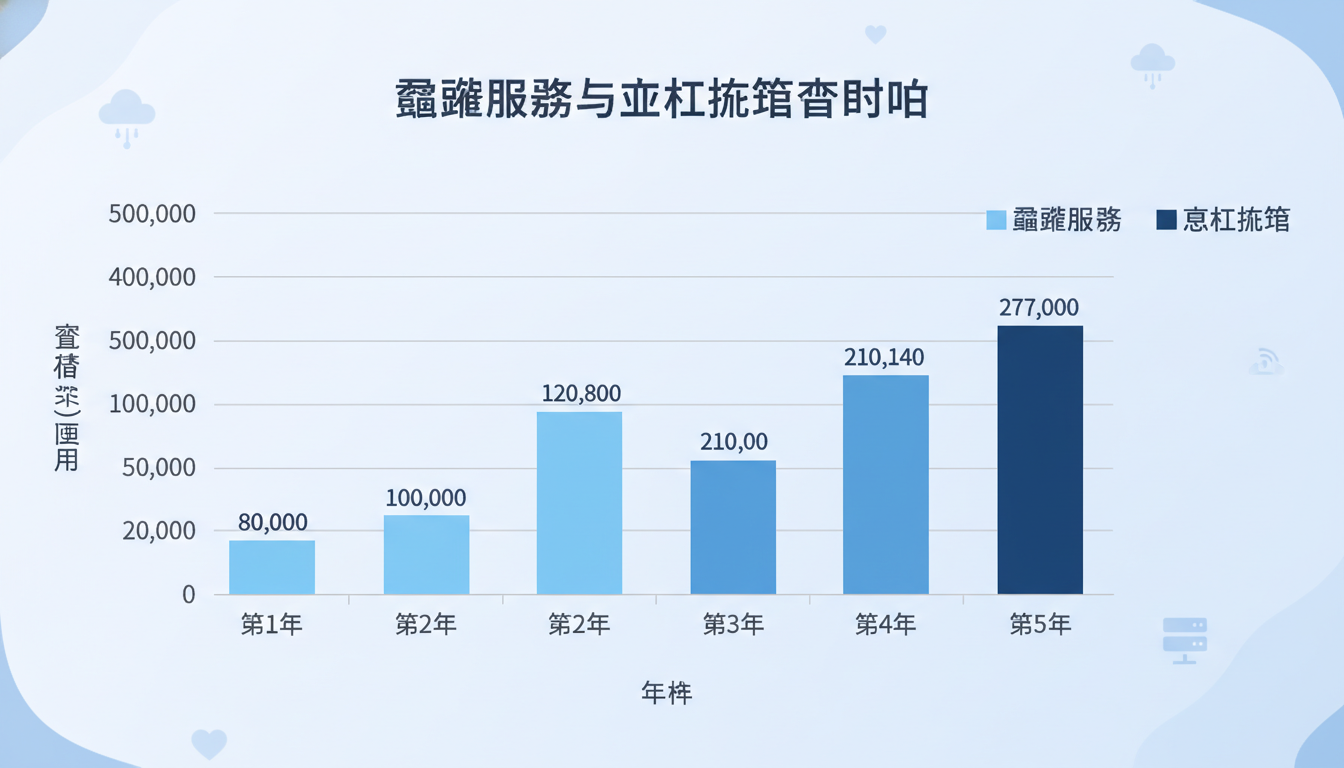
When it comes to money, it is the top priority for every boss. In Hong Kong, renting a 1/4 rack or 1/2 rack colocation service typically costs between HK$2,000 and HK$5,000 per month, depending on power consumption and bandwidth. Although you need to pay upfront for server hardware, this is a one-time investment (CapEx) that usually lasts 3 to 5 years. When spread out, if your computing needs are stable, the Total Cost of Ownership (TCO) for local colocation is often 30% to 50% lower than long-term overseas cloud rentals.
While cloud services claim to be "Pay-as-you-go," this can be a trap. If your company's systems need to run 24/7, the rental for cloud Virtual Machines (VMs) is actually quite expensive. For example, renting a medium-spec instance on AWS could cost nearly a thousand Hong Kong dollars a month, excluding storage and network fees.

4. Network Stability and Support Services: Who Saves You When Things Go Wrong?
In 2026, network stability is a company's lifeblood. Hong Kong's data center development is very mature; facilities like Mega-i or various carrier buildings essentially offer multiple network redundancies. The benefit of choosing local services is that you can request a direct connection to HKIX (Hong Kong Internet eXchange), ensuring customers using any local ISP (such as CSL, SmarTone, 3HK) can reach your server as fast as possible. If your server is in the US or Europe, the data must pass through so many hops that if an undersea cable breaks or undergoes maintenance, your website speed will drop back to the dial-up era.
Furthermore, support services are the secret weapon of local carriers. When your server suddenly crashes or suffers a network attack (DDoS), you can directly reach a Cantonese-speaking engineer for help. Many local data centers also provide "Remote Hands" services; if you cannot visit the facility in person, their staff can help you reboot machines or swap cables. In contrast, overseas cloud support is usually tiered; if you don't pay hundreds or thousands of USD in monthly support fees, it's hard to even get a person on the phone.

5. Conclusion: How Should Businesses Choose in 2026? Let "Broadband Price King" Handle It All
In summary, choosing between a local data center or overseas cloud depends entirely on your business nature. If you pursue ultra-fast response times, data compliance, and stable cost control, local colocation is the definitive choice. If you run a global business requiring extreme elasticity, then overseas cloud is more suitable. However, the most popular trend in 2026 is "combining the best of both worlds"—keeping critical operations in Hong Kong and non-core tasks in the cloud. Faced with so many plans from HKT, HKBN, CMHK, SmarTone, 3HK, and CSL, bosses and IT staff might find it overwhelming.
This is where "Broadband Price King" comes in! Our professional team is well-versed in the latest offers and technical details from all major Hong Kong carriers. Whether you need 100Mbps business broadband or a Tier 4 data center rack, we can help you secure the most competitive quotes. You don't need to call every provider yourself or worry about being misled by sales reps. If you want to find the most cost-effective and stable data center or cloud solution for your company, contact "Broadband Price King" for a free consultation today! We will tailor the perfect business technology solution based on your budget and needs, helping you win from the starting line in the 2026 business landscape!