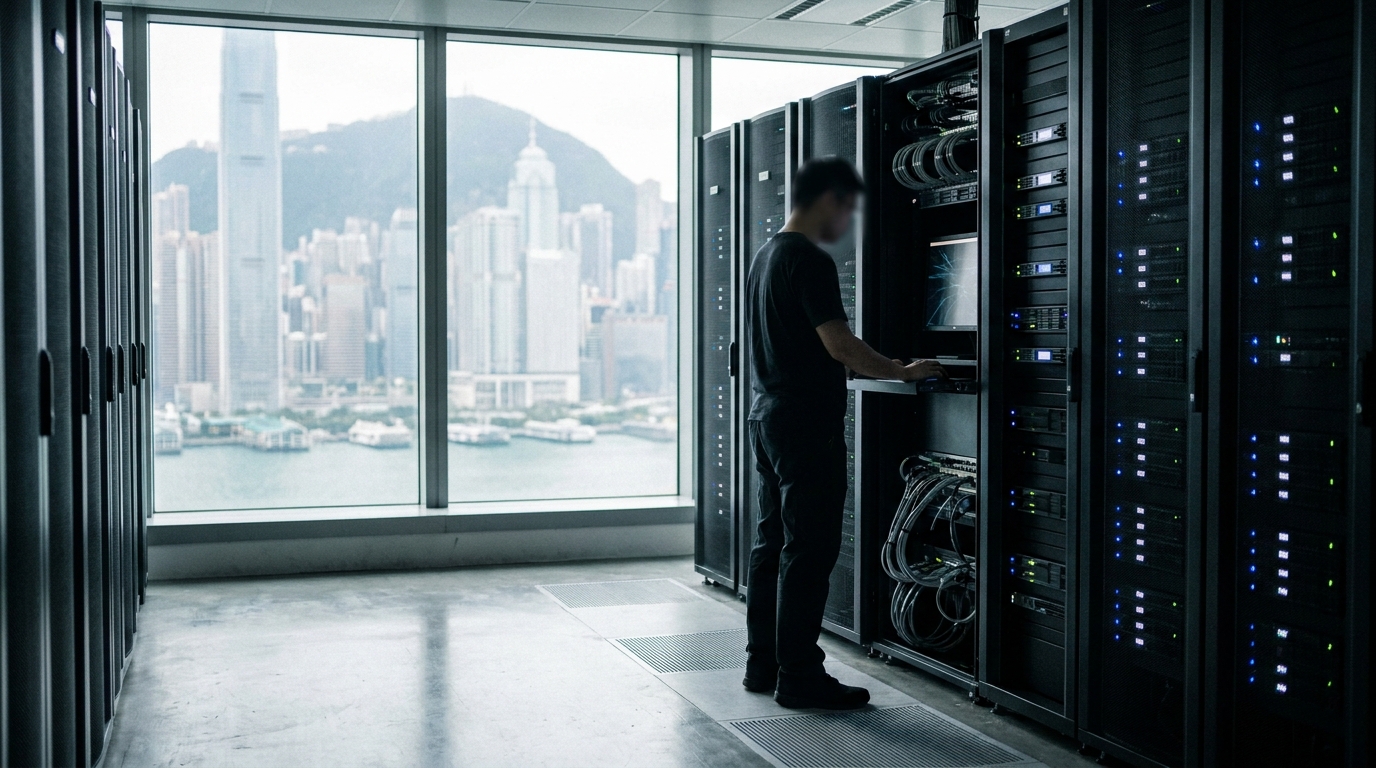
Published: 9 August 2026 | Category: Tech Trends
1. What is "Carbon-Aware Computing"? More Than Just a Green Slogan
Whenever you're surfing the web at home, streaming HD videos, or playing mobile games, there's a massive network of data centres and base stations working behind the scenes to process all that data. Operating around the clock, these facilities are notorious energy guzzlers. As global warming worsens, the tech world has come up with a new concept called Carbon-Aware Computing. Simply put, the core idea is: "Compute where the green energy is."
This concept goes way beyond just telling people to turn off the lights or use less air-con. Instead, it uses AI and smart routing systems to shift non-urgent computing tasks to times or locations with the lowest carbon emissions. Specifically, carbon-aware computing relies on two main strategies to help cool down the planet:
- Temporal Shifting: Delaying non-urgent big data analytics or system backup tasks until midnight, or on particularly windy and sunny days. During these times, the grid has the highest proportion of renewable energy and the lowest carbon emissions.
- Spatial Shifting: If a data centre in a specific region relies heavily on coal power, the system automatically routes the computing traffic to another facility powered by hydro or wind energy, reducing the carbon footprint at the source.
In a highly electricity-dependent city like Hong Kong, adopting this smart computing model is absolutely the future mega-trend for broadband and cloud development.
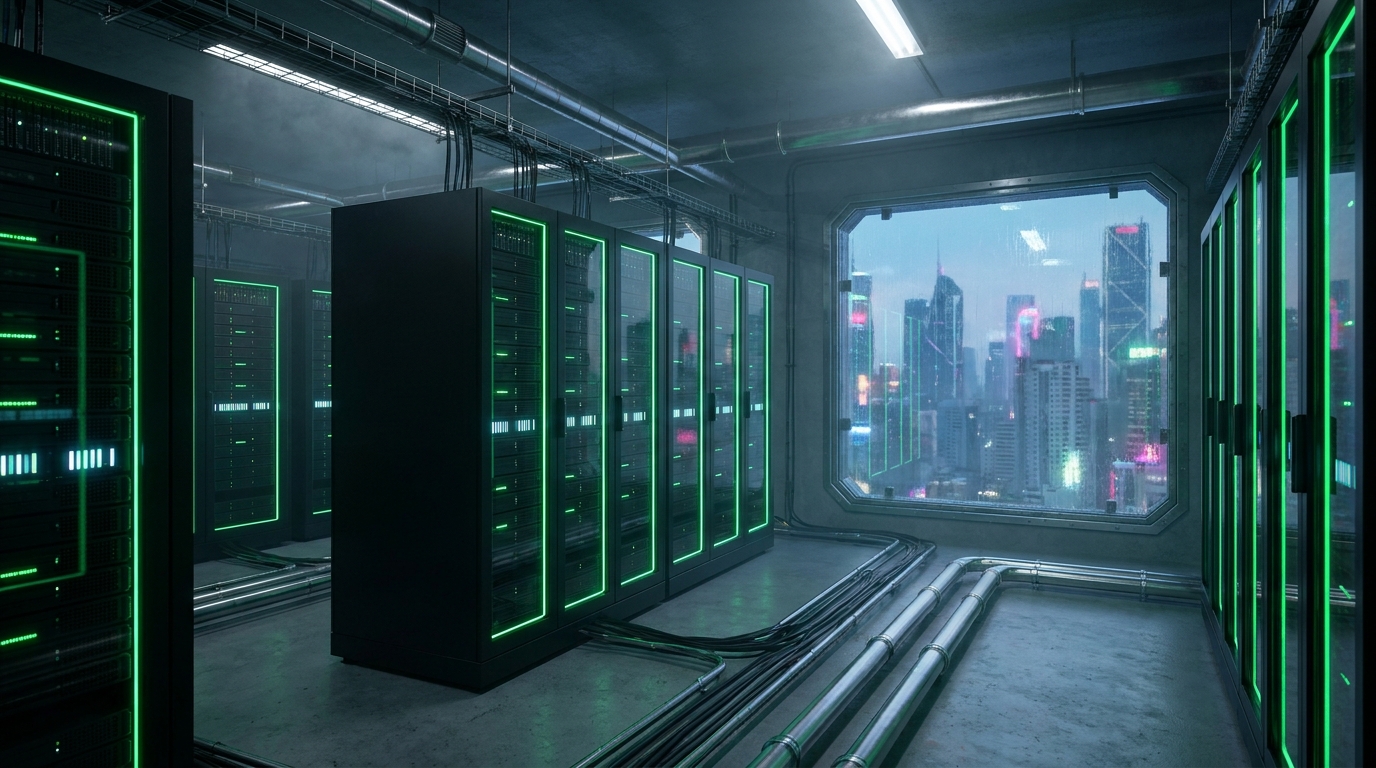
2. Decarbonisation Actions by HK Telecom Operators and Broadband Networks
Land is at a premium in Hong Kong, making our data centres and telecom base stations incredibly dense. To support environmental protection and save on massive electricity bills, major local telecom operators (like HKT, HKBN, and SmarTone) have already started integrating carbon-aware tech into their network infrastructure. The most obvious examples are seen in the upgrades of mobile networks and fixed-line broadband.
While 5G networks offer blazing-fast speeds and ultra-low latency, their base stations actually consume significantly more power than the older 4G ones. To resolve this dilemma, operators are pulling out all the stops. Here are a few common network decarbonisation actions in Hong Kong:
- AI Smart Sleep for Base Stations: Operators use AI to analyse daily network traffic big data. In the dead of night when few people are surfing the web or making calls, the system automatically switches some overlapping 5G base stations into "deep sleep" mode, waking them up only during the morning rush hour. This saves a massive amount of electricity.
- Full Fibre Upgrades (FTTH): Major broadband companies are aggressively pushing Fibre-to-the-Home (FTTH) and even Fibre-to-the-Room (FTTR). Fibre optic data transmission relies mainly on light signals, which have extremely low energy loss compared to old copper wires (VDSL). In the long run, it's a highly eco-friendly choice.
- Smart Cooling for Server Rooms: Traditional server rooms need powerful air-con blasting the servers 24/7. The new generation of exchange rooms uses liquid cooling tech or pairs with carbon-aware systems to draw in fresh outside air on cooler days, reducing reliance on traditional air conditioning.
3. How Businesses Moving to the Cloud Use Carbon-Aware Tech to Save Power and Hit ESG Goals
For Hong Kong SMEs and multinational corporations, doing business today isn't just about profits; it's also about having a solid ESG (Environmental, Social, and Governance) report. If your carbon emissions exceed limits, you risk losing major overseas clients or investors. Fortunately, mainstream cloud service providers now have built-in carbon-aware tools to help businesses cut emissions effortlessly.
Once a company migrates its servers to the cloud, it can use the platform's dashboards to clearly track its monthly carbon emissions. Even better, businesses can set up automated scripts—for example, mandating that certain high-energy AI training models only run when the Carbon Intensity drops below a specific threshold. Let's compare traditional IT architecture with a carbon-aware cloud architecture:
| Feature | Traditional IT / Legacy Cloud Architecture | Carbon-Aware Computing Architecture |
|---|---|---|
| Resource Allocation | Rigid, running at full blast 24/7 | Flexible, dynamically adjusted based on grid greenness |
| Computing Location | Fixed in a single local server room | Automatically shifts workloads to low-emission regions |
| ESG Reporting | Hard to accurately track and calculate carbon footprint | Comprehensive dashboards with clear data to help hit targets |
Through this smart routing, businesses don't just project a green image to the public; they actually save a chunk of change on cloud computing costs by avoiding peak electricity hours. It's an absolute win-win situation.
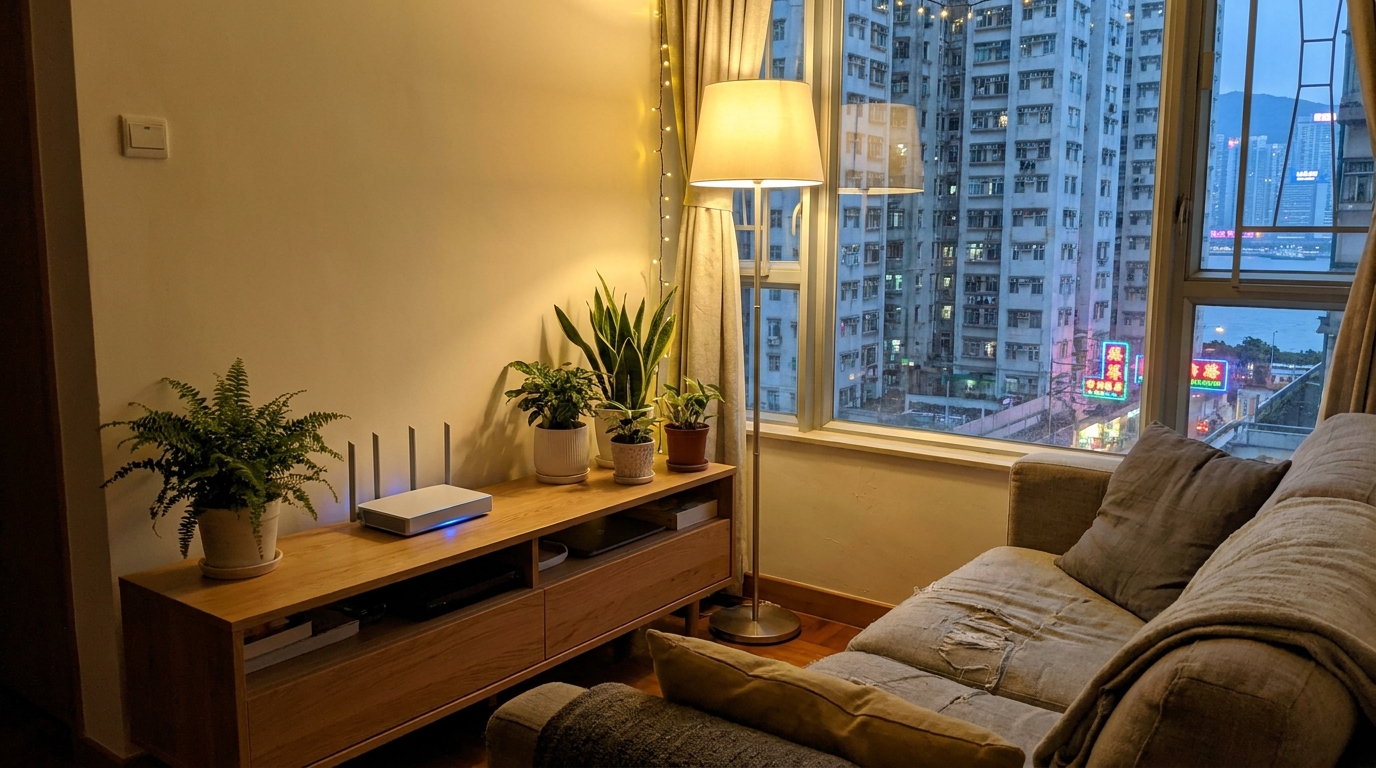
4. How Can Everyday Consumers Join the Green Broadband Ecosystem?
Reading this, you might think: "Carbon-aware computing sounds super high-tech, what does it have to do with an everyday Hong Kong home broadband user like me?" Actually, you can absolutely do your part in daily life to join this green broadband ecosystem. By making a few simple choices, you can help take the pressure off the planet.
First off, choosing the right home network equipment is crucial. While new-gen Wi-Fi 6E or Wi-Fi 7 routers offer massively boosted speeds, their advanced chip manufacturing and improved Target Wake Time (TWT) tech allow connected smart devices to enter sleep mode when no data is being transmitted. As a result, their overall power consumption is actually lower than older routers. Here are a few daily energy-saving tips:
- Upgrade to Fibre Broadband: If you're still using old VDSL copper broadband, we highly recommend upgrading to fibre immediately, as fibre transmission is far more energy-efficient.
- Leverage Smart Home Settings: Use your Smart Home system to automatically turn off unused Mesh router nodes or smart TV power when the whole family is out or asleep at night.
- Choose Green-Certified Devices: When buying a new router or computer, look out for Energy Star or other eco-friendly certification labels.
💡 Tip: Many people think leaving the router on 24/7 saves the most power. In reality, if your router has a smart scheduling feature, setting it to automatically turn off Wi-Fi transmission between 3 AM and 6 AM can save a few units of electricity every month. It all adds up!
5. Summary: Decarbonisation and Tech Go Hand-in-Hand, Choosing the Right Broadband Pays Off
To sum up, tech development and environmental protection can absolutely go hand-in-hand. Carbon-aware computing isn't just a patent for massive corporations and cloud giants; it has quietly integrated into the broadband and mobile networks we use every day. From telecom operators' AI smart base station sleep modes to cloud platforms' temporal and spatial shifting, right down to the energy-saving Wi-Fi routers in our homes, every link in the chain is doing its part to cut emissions.
As savvy Hong Kong consumers and business owners, when choosing a broadband service, we shouldn't just look at whether the price is cheap or the speed is fast. We can also pay attention to whether the telecom operator is actively promoting green tech. A socially responsible broadband provider that actively cuts emissions usually has newer, more modern network infrastructure. In the long run, this guarantees better network stability and service quality. Ultimately, the goal of tech advancement is to make life better while protecting our environment.
- Understand the latest fibre tech and energy-saving equipment from major telecom operators.
- Choose the most energy-efficient broadband plan for your home or office.
- Compare different plans to find the best option that saves money and supports the environment.

🔥 Recommended Action
Want to know which telecom operator's fibre broadband offers the best value and supports the latest energy-saving tech? Compare major broadband plans across Hong Kong via King Broadband right now! We'll help you find the most cost-effective green broadband solution for your home or business, getting you online effortlessly while doing your part for the environment!