
Published: 12 October 2026 | Category: Future Networks
1. What is 5.5G (5G-Advanced)? How is it different from 5G?
We've all gotten used to 5G networks over the past few years. Whether you're streaming HD videos on the street or mobile gaming, it's noticeably smoother than the old 4G days. But tech never stands still, and the hottest topic in the Hong Kong telecom scene right now is definitely "5.5G" (officially known as 5G-Advanced). So, what exactly is 5.5G? Simply put, it's the transitional tech bridging 5G and the future 6G. According to the 3GPP international standards, 5.5G pushes the potential of existing 5G networks to the absolute limit, delivering a tenfold increase in download speeds, upload speeds, and network capacity. If you think current 5G is fast, 5.5G is going to completely redefine your concept of "fast".
To make things crystal clear, we've put together a simple comparison. The theoretical download speed of 5G is around 1Gbps, but 5.5G can hit a staggering 10Gbps! Upload speeds also see a massive jump from 5G's 100Mbps to 1Gbps. On top of that, 5.5G can crush network latency down to the millisecond (ms) level, which is absolutely critical for applications requiring lightning-fast reaction times. Furthermore, 5.5G can support up to 10 million connected devices per square kilometre, truly realizing the Internet of Everything. Let's take a look at the comparison table below:
| Comparison Item | Current 5G Network | All-New 5.5G (5G-Advanced) |
|---|---|---|
| Theoretical Download Speed | Approx. 1 Gbps | Up to 10 Gbps (10x faster) |
| Theoretical Upload Speed | Approx. 100 Mbps | Up to 1 Gbps (10x faster) |
| Network Latency | Approx. 10-20 milliseconds | 1 millisecond level (near-zero latency) |
| Device Connection Density | 1 million devices per sq km | 10 million devices per sq km |

2. Hong Kong's 5.5G Progress: The Telecom Operator Battle
As a world-class telecom hub, competition among Hong Kong's major operators is always fierce, and the rollout of 5.5G is no exception. Since late 2023, local telecom giants have been announcing their 5.5G test results and future roadmaps. For instance, HKT's CSL and CMHK have already taken the lead in completing 5.5G field tests in labs and select outdoor areas. By leveraging the latest carrier aggregation technology, they've successfully pushed download speeds close to the 10Gbps mark. SmarTone and 3HK are following closely, actively upgrading their existing base station hardware to ensure their core networks can seamlessly transition to 5.5G.
Currently, some operators have quietly switched on 5.5G trial networks in ultra-busy districts like Causeway Bay, Central, and Tsim Sha Tsui, as well as inside major shopping malls. Why these locations? Because one of 5.5G's biggest advantages is solving network congestion in crowded areas. Although the major networks haven't officially launched standalone mobile plans branded as "5.5G" just yet, we expect these plans to roll out within the next year as 5.5G-compatible flagship phones become more mainstream. Right now, mainstream 5G plans cost around $149 to $198. It's estimated that 5.5G might carry a slight premium at launch, but prices will eventually drop to a mass-market, affordable level in the long run.
💡 Tip: Having the right network isn't enough to use 5.5G; your phone's processor needs to support it too. For example, flagship phones equipped with the latest Snapdragon 8 Gen 3 chip and X75 5G Modem are hardware-ready for 5.5G networks! Remember to double-check the specs before upgrading your handset.
3. What are the Benefits of 5.5G for Everyday Users?
After all this hardcore data and talk of telecom operator battles, what are the actual benefits of 5.5G for everyday Hong Kongers? Is it just about downloading a 4K movie a few seconds faster? Of course, it's not that simple. 5.5G will completely transform our network experience in specific scenarios, solving many pain points that current 5G hasn't perfectly addressed. Here are three major upgrades that regular users will feel the most:
- No More "Dead Networks" at Concerts and Stadiums: When you're at the Hong Kong Coliseum for a concert or Hong Kong Stadium for a match, trying to post an IG Story during halftime usually means staring at a loading screen. 5.5G's connection density is 10 times higher than 5G's. Even with tens of thousands of people using their phones at once, the network can handle it, letting you check in and post instantly.
- Zero-Latency Cloud Gaming: For gamers, ping (latency) is a matter of life and death. 5.5G's millisecond-level latency makes playing AAA cloud gaming titles on your phone a reality. Button presses and on-screen reactions are perfectly synced, so you no longer need to download dozens of gigabytes of game files to your device.
- Immersive AR / VR Experiences: VR headsets are getting better and better. Spatial computing devices like the Apple Vision Pro require massive bandwidth to transmit HD 3D visuals. 5.5G's 10Gbps download speeds can flawlessly support 8K or even 12K panoramic videos, meaning you won't get that dizzying, pixelated feeling when watching videos in VR.

4. The Commercial Application Boom: How Can SMEs Benefit?
If you think 5.5G is just for entertainment, you're dead wrong. The industry widely agrees that 5.5G's greatest value lies in driving commercial and industrial revolutions. Especially for Hong Kong SMEs, 5.5G's "ultra-fast upload" and "ultra-low latency" are absolute killer features. In the past, 4G and 5G were designed to be "heavy on downloads, light on uploads," but many modern business models rely heavily on upload speeds. 5.5G's 1Gbps upload capability perfectly fills this gap. Here are a few opportunities SMEs can seize:
- Effortless HD Live Stream Selling: Many online stores now host live streams directly from their shops or warehouses. With a 5.5G network, shop owners can easily run multi-camera 4K HD live streams without any lag, allowing for more direct customer interaction and significantly boosting conversion rates.
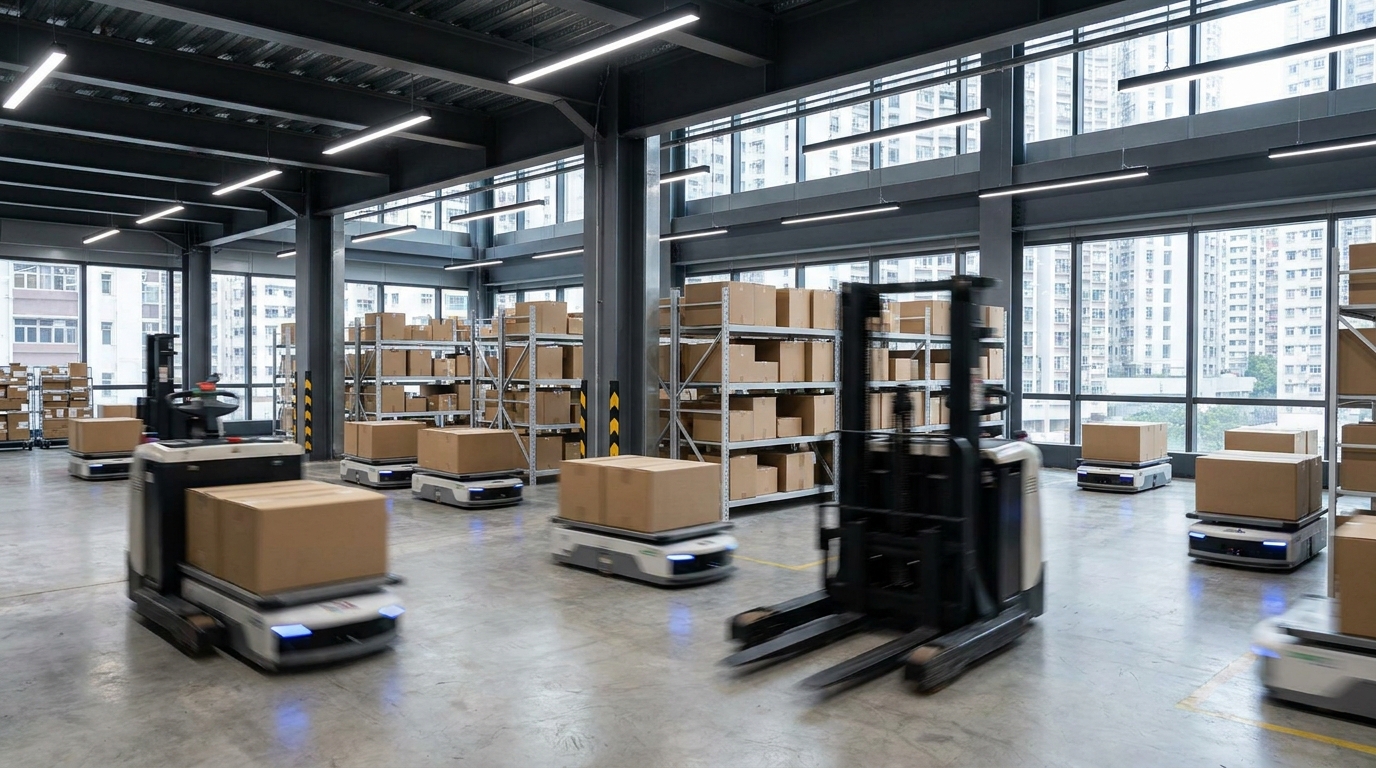
- Smart Logistics and Unmanned Warehousing: Hong Kong is densely populated, and warehousing costs are sky-high. 5.5G's low latency can flawlessly control Automated Guided Vehicles (AGVs) and robotic arms, enabling highly precise automated operations inside warehouses, reducing errors, and saving on manpower.
- Massive Internet of Things (IoT): For the retail or F&B sectors, 5.5G can connect all smart devices in a store. From air conditioning and fridge temperature monitoring to smart POS machines and electronic price tags, everything syncs in real-time, making management a breeze.
🔥 Recommended Plan Direction: Commercial 5G/5.5G Broadband
If your SME office can't install traditional fibre, or if you need to host outdoor events, commercial 5G broadband on the market is already very mature (monthly fees are around a few hundred dollars). Upgrading to 5.5G broadband in the future could easily outpace hardwired fibre speeds, making it definitely worth keeping an eye on!
5. Summary: Should You Switch to a 5.5G Plan Immediately?
After reading the above, does the 10x massive upgrade of 5.5G sound so appealing that you want to rush to a store and ask to switch plans right now? Actually, you might want to hold your horses. While 5.5G technology is ready, achieving seamless coverage across Hong Kong Island, Kowloon, and the New Territories, and waiting for major operators to roll out targeted mobile plans, will still take some time. Plus, hardware compatibility is crucial. If your phone is a two- or three-year-old model, you won't be able to max out the speeds even on a 5.5G network. So, whether you should switch immediately really depends on what kind of user you are.
⚠️ Note: Don't blindly chase new tech and sign an ultra-expensive long-term contract. If your current 5G plan already meets your video streaming and gaming needs, it's worth waiting another six months to a year for 5.5G plan prices to drop before making a decision.
In summary, 5.5G is definitely the mega-trend for the Hong Kong telecom market over the next two to three years. We've summarized a few upgrade recommendations for your reference:
- Tech Enthusiasts / Enterprise Users: If you frequently live stream in crowded areas, or your company needs to upload massive amounts of data at lightning speeds, then jumping on a commercial 5.5G plan as soon as it's available is absolutely worth it.
- Those Planning to Upgrade Phones Soon: When buying a new handset, we highly recommend checking the specs to ensure it has the latest built-in 5.5G Modem. Consider it "insurance" for the next year or two, so you aren't left with an unsupported device when the network upgrades.
- Smart Everyday Consumers: Competition for 5G plans is fierce right now, with many offering killer deals around $100. You can lock in a cheap 5G plan for now, and check back on King Broadband to compare prices and stay updated on the latest 5.5G developments—that's the safest bet!